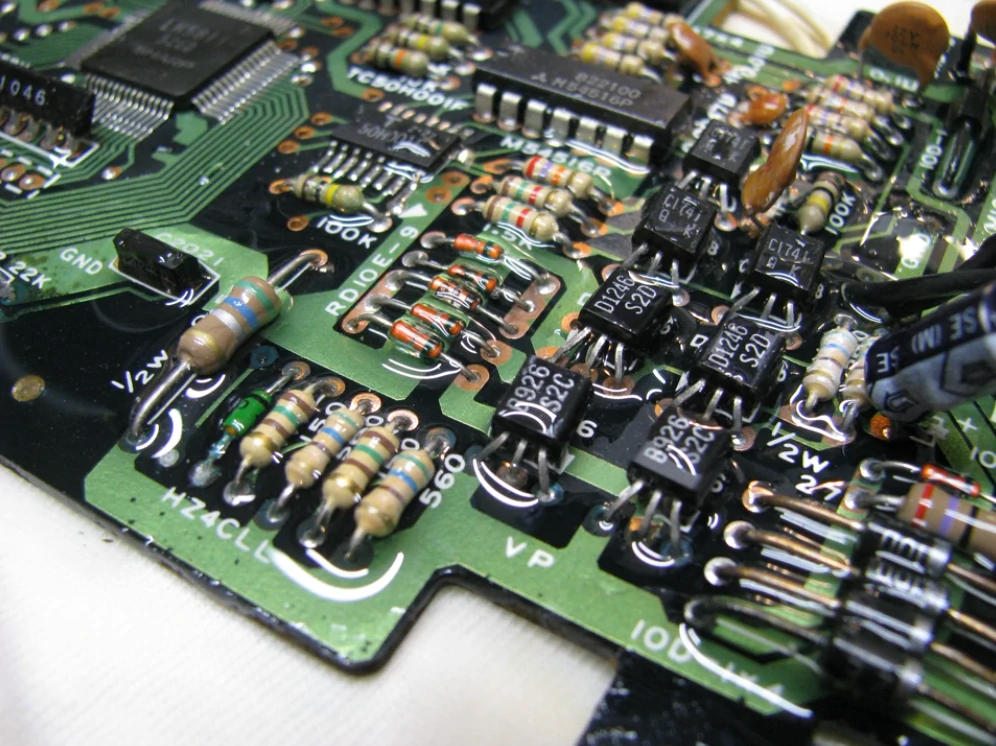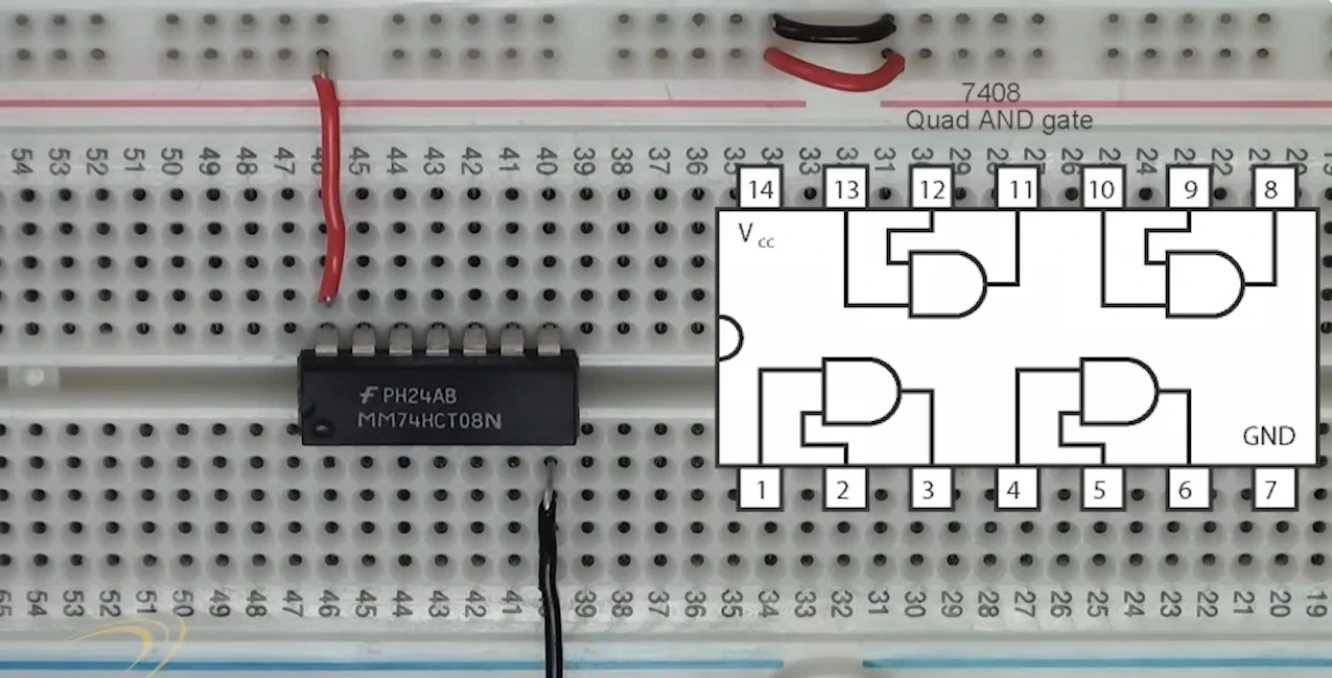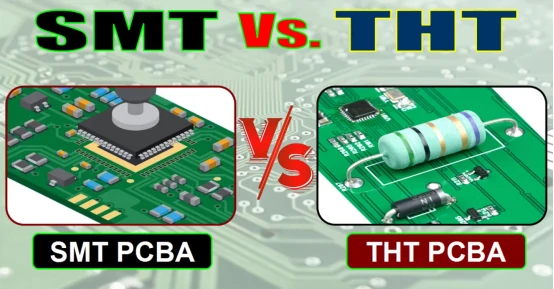
When engineers evaluate SMT vs THT, they are making more than a manufacturing decision. They are deciding how a product will perform, how much it will cost to build, how easy it will be to scale, and how reliable it will remain after years of operation.
Surface Mount Technology (SMT) dominates modern electronics because it supports high-density layouts, automated assembly, and lower production costs. Through-Hole Technology (THT) remains important because it provides superior mechanical strength and excellent performance in harsh environments.
Table of Contents
- SMT vs THT Quick Comparison
- SMT vs Through-Hole Manufacturing Process
- SMT vs THT Cost Comparison
- SMT vs THT Reliability Comparison
- SMT vs THT for High-Speed PCB Design
- SMT vs THT Component Selection Guide
- Through-Hole vs Surface Mount Applications
- Why Modern Products Use Both SMT and THT
- SMT vs THT Decision Matrix
- How Fast PCB Layout Helps Optimize PCB Assembly
- Conclusion
- FAQ
SMT vs THT Quick Comparison
SMT places components directly onto the PCB surface. THT inserts component leads through drilled holes. SMT offers better miniaturization, higher assembly speed, and lower cost in volume production. THT offers stronger mechanical attachment and improved durability under vibration and shock. Neither technology is universally better. The correct choice depends on product requirements. In many cases, working with an experienced turnkey PCB assembly service can help determine the most effective assembly approach.
| Factor | SMT | THT |
|---|---|---|
| Density | High | Lower |
| Automation | Excellent | Moderate |
| Cost at Scale | Lower | Higher |
| Mechanical Strength | Good | Excellent |
| Signal Integrity | Excellent | Good |
| Repairability | Moderate | Better |
SMT vs Through-Hole Manufacturing Process
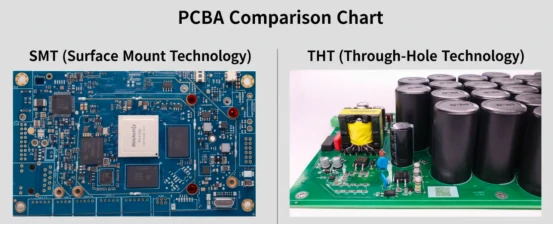
SMT assembly starts with solder paste printing. Automated pick-and-place equipment then positions components on the PCB. Reflow soldering melts the paste and creates electrical connections. Inspection systems verify solder quality and placement accuracy. This workflow supports very high throughput and consistent quality.
THT assembly follows a different path. Operators or insertion equipment place component leads through drilled holes. Wave soldering, selective soldering, or manual soldering completes the process. The process is slower, but it creates stronger mechanical joints. Many power devices and connectors continue to rely on this method.
From a manufacturing perspective, SMT provides greater efficiency. However, THT remains valuable where mechanical durability is more important than assembly speed.
SMT vs THT Decision Matrix
| Requirement | Recommended Choice |
|---|---|
| Smallest PCB Size | SMT |
| Lowest Production Cost | SMT |
| Highest Mechanical Strength | THT |
| High-Speed Signals | SMT |
| High Current | THT |
| Industrial Controller | Mixed |
| Automotive ECU | Mixed |
| LED Driver | Mixed |
Use SMT when miniaturization, throughput, and signal integrity matter most. Use THT when mechanical strength and high-current capability are critical. Use both when products must satisfy demanding electrical and environmental requirements.
SMT vs THT Reliability Comparison
Reliability discussions often focus on mechanical strength, thermal cycling, vibration, and high-current capability. THT usually performs better when components face repeated mechanical stress. Connectors, relays, and transformers benefit from the physical anchoring created by through-hole leads.
SMT assemblies, however, are highly reliable when engineers follow proper design rules. Modern automotive, telecommunications, and medical systems use SMT extensively. High-quality solder joints can survive years of operation under demanding conditions.
Thermal cycling performance is excellent for both technologies when manufacturing quality is controlled. Vibration resistance generally favors THT, while signal performance often favors SMT.
SMT vs THT for High-Speed PCB Design
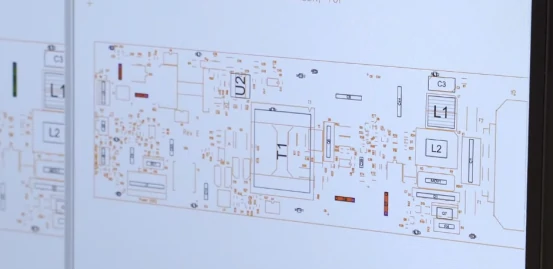
High-speed electronics introduce additional considerations. Signal integrity depends heavily on conductor length, parasitic inductance, and parasitic capacitance. SMT minimizes lead length. Shorter electrical paths improve performance and reduce unwanted effects.
RF circuits, wireless modules, processors, and memory devices almost always use SMT. These products require clean signal paths and controlled impedance. SMT also improves EMI and EMC performance because smaller current loops generate less electromagnetic radiation.
For high-frequency applications, SMT provides a clear advantage. This is one reason why smartphones, routers, networking equipment, and advanced computing platforms depend heavily on surface-mount technology.
SMT vs THT Component Selection Guide
Different components have different requirements. Engineers should select assembly technology based on electrical, thermal, and mechanical needs.
Common SMT Components: microcontrollers, processors, memory chips, LEDs, sensors, RF modules, chip resistors, and chip capacitors.
Common THT Components: transformers, relays, terminal blocks, power connectors, large capacitors, and high-current devices.
Mixed Assembly Components: power supplies, industrial controllers, automotive electronics, telecom equipment, and LED drivers frequently combine both technologies.
This mixed approach allows engineers to optimize cost, performance, and reliability at the same time.
Through-Hole vs Surface Mount Applications
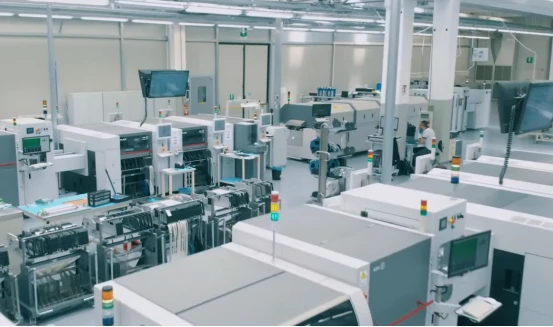
Consumer electronics rely heavily on SMT because miniaturization is essential. Smartphones, tablets, wearable devices, and IoT products benefit from compact layouts and automated assembly.
Industrial automation products often combine SMT and THT. PLCs, motor drives, and industrial sensors require both compact control circuitry and robust power connections.
Automotive electronics face vibration, temperature cycling, and long service life requirements. Manufacturers often use SMT for control circuitry and THT for connectors and power sections.
Medical devices require both reliability and compact size. Telecommunications equipment depends on SMT for high-speed communication performance. LED drivers frequently use mixed assembly to balance thermal performance and durability.
Why Modern Products Use Both SMT and THT
The most successful products often use both technologies. Engineers do not always choose SMT or THT. Instead, they combine the strengths of each method.
Consider a power supply. The control IC, logic devices, and passive components are usually SMT. The transformer, large electrolytic capacitors, and connectors are often THT. This design reduces board size while maintaining durability.
Industrial controllers, automotive ECUs, telecom systems, and energy products frequently follow the same strategy. Mixed assembly delivers a practical balance between manufacturing efficiency and long-term reliability.
How Fast PCB Layout Helps Optimize PCB Assembly
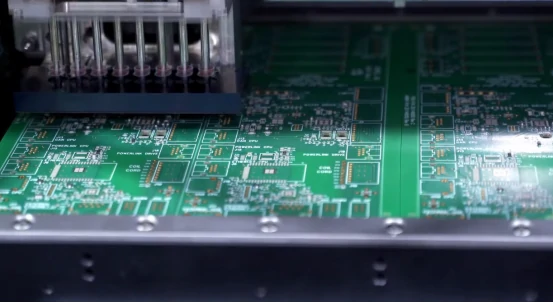
At Fast PCB Layouyt, we help customers evaluate SMT, THT, and mixed assembly strategies before production begins. Our engineering team reviews manufacturability, reliability requirements, component selection, and production goals. We provide DFM support, prototype assembly, low-volume manufacturing, and high-volume production services.
Many customers initially focus on assembly cost. However, the most successful projects balance cost, reliability, supply chain stability, and long-term product performance. Our goal is to help customers identify the most effective solution rather than simply selecting a single assembly method.
Conclusion
The SMT vs THT discussion is ultimately about optimization. SMT provides higher density, lower cost at scale, faster assembly, and superior high-frequency performance. THT provides stronger mechanical attachment, improved vibration resistance, and better support for high-current components. Modern products increasingly combine both technologies because each method solves different engineering challenges. By understanding the strengths and limitations of each approach, engineers can make better decisions and build more reliable products.
FAQ
Is SMT always cheaper than THT?
Not always. SMT generally becomes more cost-effective in medium- and high-volume production because automated equipment reduces labor costs. However, for prototypes or specialized products, the overall cost difference may be much smaller than expected.
Why are connectors usually through-hole components?
Connectors experience repeated insertion, removal, and mechanical stress during operation. Through-hole mounting provides stronger physical support than surface mounting, which helps improve long-term durability and reduces the risk of solder joint failure.
Can SMT assemblies survive harsh industrial environments?
Yes. Properly designed SMT assemblies can perform reliably in industrial environments. High-quality solder joints, proper PCB layout, and suitable component selection allow SMT products to withstand vibration, temperature cycling, and long operating hours.
Why do many power supplies use both SMT and THT components?
Most power supplies combine SMT and THT to balance performance and reliability. Small control circuits use SMT to save space, while transformers, connectors, and high-current components often use THT for better mechanical strength and power handling.
Can SMT completely replace THT in modern electronics?
No. SMT dominates most electronic products, but THT remains important for connectors, relays, transformers, terminal blocks, and other components that require strong mechanical attachment or carry high currents.
Which technology is better for automotive electronics?
Neither technology is universally better. Automotive electronics commonly use mixed assembly. SMT supports compact control circuits and processors, while THT provides stronger connections for power devices and connectors exposed to vibration and thermal stress.
Is THT more reliable than SMT?
THT is generally more resistant to mechanical stress and vibration. However, modern SMT assemblies can achieve excellent reliability when engineers follow proper design, manufacturing, and inspection practices. Reliability depends more on application requirements than technology alone.
What types of components are best suited for SMT?
SMT is ideal for integrated circuits, memory chips, sensors, LEDs, RF modules, chip resistors, and chip capacitors. These components benefit from smaller footprints, automated assembly, and improved signal performance in compact electronic designs.
What types of components are best suited for THT?
THT is commonly used for transformers, relays, terminal blocks, connectors, and large capacitors. These components often require stronger mechanical support, better heat handling, or higher current-carrying capability than SMT alternatives.
How do engineers choose between SMT and THT?
Engineers evaluate PCB size, production volume, reliability requirements, current levels, operating environment, and repairability. In many cases, the best solution is a mixed assembly design that combines the advantages of both SMT and THT technologies.